

Portable Cold Plunge Options for Recovery
Portable Cold Plunge Options for Recovery
Cold plunge therapy has evolved dramatically in recent years, with portable solutions making cold water immersion accessible to more people than ever before. Whether you're an athlete seeking enhanced recovery, a wellness enthusiast looking to optimize daily performance, or someone simply interested in the proven health benefits of cold exposure, portable cold plunge options offer flexibility, convenience, and effectiveness without the permanent installation of traditional ice baths.
As we navigate 2026, the market offers a diverse range of portable cold plunge solutions that cater to different needs, spaces, and budgets. Understanding these options helps you make an informed decision that aligns with your wellness goals and lifestyle requirements.
Benefits of Cold Plunge Therapy
Before exploring portable options, it's essential to understand why cold plunge therapy has become a cornerstone of recovery protocols. Regular cold water immersion offers numerous physiological benefits that support both athletic performance and general wellness.
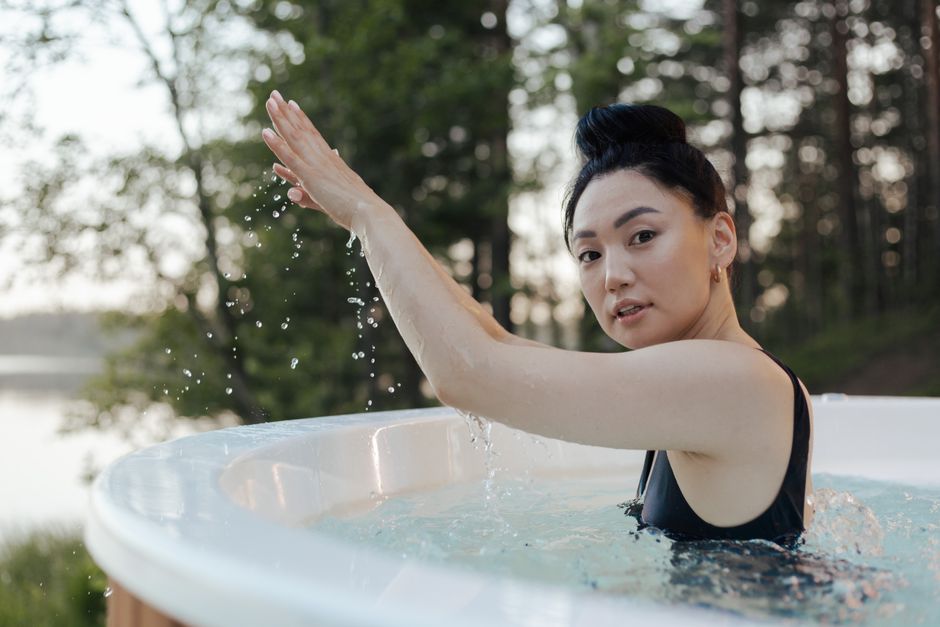
Cold exposure triggers vasoconstriction followed by vasodilation, which enhances blood circulation and helps reduce inflammation throughout the body. This process aids in muscle recovery after intense training sessions, making it particularly valuable for individuals following structured exercise programs recommended by organizations like the American College of Sports Medicine.
Beyond physical recovery, cold plunge therapy stimulates the vagus nerve, potentially improving mood and stress resilience. Many practitioners report enhanced mental clarity, better sleep quality, and increased energy levels with consistent cold exposure practice. The acute stress of cold immersion also triggers hormetic adaptation, strengthening your body's stress response systems over time.
Types of Portable Cold Plunge Solutions
Portable cold plunge options span a wide spectrum of designs, features, and price points. Understanding the different categories helps narrow your search based on your specific requirements.
Inflatable Cold Plunge Tubs
Inflatable tubs represent the most affordable and space-efficient entry point into cold plunge therapy. These units typically feature durable PVC or reinforced vinyl construction that can be set up in minutes and deflated for storage when not in use. Most inflatable options accommodate one person comfortably and can hold temperatures between 35-60 degrees Fahrenheit with regular ice additions.
The primary advantage of inflatable models lies in their portability and storage convenience. They're ideal for apartment dwellers, frequent travelers, or anyone who needs to reclaim floor space after sessions. However, they require manual temperature management through ice additions and lack the advanced features of higher-end models.
Rigid Portable Tubs
Rigid portable cold plunge tubs offer more durability and stability than inflatable alternatives while remaining moveable. Constructed from materials like acrylic, fiberglass, or reinforced plastic, these units provide a more permanent feel without requiring installation.
Many rigid portable tubs feature insulated walls that maintain water temperature more effectively than inflatable options, reducing ice requirements and extending session availability. Some models include built-in seating, drain systems, and covers that protect water quality between uses.
Chiller-Equipped Systems
The premium tier of portable cold plunge options includes units with integrated or compatible chiller systems. These sophisticated solutions eliminate the need for ice entirely, using refrigeration technology to maintain precise water temperatures continuously. For those serious about incorporating cold therapy into their daily routine, options like the acrylic plunge pool with integrated chiller/heater provide the ultimate convenience and consistency.
Chiller-equipped systems represent a significant investment but offer superior long-term value for dedicated practitioners. They maintain optimal temperatures 24/7, support multiple daily sessions without preparation time, and include filtration systems that keep water clean for extended periods. Many models also feature heating capabilities, allowing temperature adjustments based on specific recovery protocols or seasonal preferences.
Key Features to Consider
Selecting the right portable cold plunge involves evaluating several critical factors that impact usability, maintenance, and overall effectiveness.

Temperature Control: Determine whether you prefer manual temperature management with ice or automated control through a chiller system. Manual systems require ongoing ice purchases and preparation time, while chiller systems offer set-and-forget convenience at a higher upfront cost.
Size and Capacity: Consider your available space and how many people will use the plunge. Single-person tubs typically require 4-6 square feet of floor space, while larger models may accommodate two users simultaneously but demand proportionally more room.
Insulation Quality: Well-insulated units maintain target temperatures longer, reducing energy consumption for chiller-equipped models and ice requirements for manual systems. Look for double-walled construction or thick insulation layers that minimize heat transfer.
Filtration and Sanitation: Proper water maintenance is crucial for health and hygiene. Higher-end portable plunges include integrated filtration and ozone sanitation systems, while budget options may require manual water changes or external filtration solutions.
Portability: Evaluate whether you need true portability or simply want a non-permanent installation. Some "portable" units weigh several hundred pounds when filled and require multiple people to move, while others can be relocated by one person when drained.
Setting Up Your Portable Cold Plunge
Successful implementation of a portable cold plunge requires thoughtful planning regarding location, power requirements, and maintenance protocols.
Choose a location with level, stable flooring that can support the weight of your filled plunge—water weighs approximately 8 pounds per gallon, meaning even modest tubs can exceed 400 pounds when filled. Indoor setups benefit from proximity to water sources and drains, while outdoor installations should consider weather exposure and privacy.
Chiller-equipped systems require electrical access, typically drawing 10-15 amps during operation. Ensure your chosen location has appropriate outlets and circuit capacity. Some advanced models may require dedicated circuits or specific voltage configurations.
Establish a maintenance routine from the start. Regular water testing, filter cleaning, and sanitizer additions prevent bacterial growth and extend water life. Most portable plunges benefit from complete water changes every 1-3 months, depending on usage frequency and filtration capabilities.
Integrating Cold Plunge with Complete Recovery Protocols
Cold plunge therapy delivers optimal results when integrated into comprehensive recovery strategies that address multiple physiological systems. While cold immersion excels at reducing inflammation and enhancing circulation, complementary modalities amplify overall recovery benefits.
Many wellness enthusiasts pair cold exposure with heat therapy through sauna sessions, creating contrast therapy protocols that maximize cardiovascular and lymphatic system stimulation. The combination of cold plunges with other low EMF infrared sauna options creates synergistic effects that support faster adaptation to training stress.
Consider timing cold plunge sessions strategically around your training schedule. While cold therapy immediately after resistance training may blunt some hypertrophic adaptations, it excels for recovery after high-intensity conditioning, endurance work, or on rest days when recovery takes priority over adaptation stimulus.
Incorporating active recovery practices aligned with CDC physical activity guidelines alongside cold therapy creates a comprehensive approach to maintaining performance and wellness throughout demanding training cycles.
Budget Considerations and Long-Term Value
Portable cold plunge options span a significant price range, from under $200 for basic inflatable tubs to several thousand dollars for premium chiller-equipped systems. Determining the right investment requires honest assessment of your commitment level, usage frequency, and available budget.
Budget-friendly inflatable options serve well for experimentation and occasional use, but their ongoing ice costs and setup requirements may diminish convenience over time. Mid-range rigid tubs without chillers offer improved durability and insulation while maintaining moderate pricing, though they still require ice management.
Premium systems with integrated chillers and filtration represent the highest initial investment but deliver superior long-term value for committed practitioners. When calculating true costs, factor in ice expenses for manual systems—serious cold plunge enthusiasts may spend $50-100 monthly on ice, meaning a chiller system can achieve cost parity within 2-3 years while providing superior convenience.
Conclusion
Portable cold plunge options have transformed cold water immersion from an elite recovery modality into an accessible wellness practice for anyone committed to optimizing their health and performance. Whether you choose an entry-level inflatable tub or invest in a sophisticated chiller-equipped system, consistent cold exposure offers proven benefits for recovery, resilience, and overall wellness.
The key to success lies in selecting a solution that matches your space constraints, budget, and dedication level. Start by clarifying your primary goals—occasional recovery tool or daily wellness practice—then explore the cold plunge collection to find options that align with your needs. With the right portable cold plunge and consistent practice, you'll experience the profound benefits of cold water immersion regardless of your living situation or lifestyle constraints.